Ready to help treat your pet to a healthy life?
10 Tips for Winter Pet Safety
By : Trupanion Staff | Updated Dec 31, 2024

The winter 2024-2025 season is here! Even past the holidays, this time of year can be a magical time filled with fun activities for animals and people alike — until winter pet dangers get in the way. As all too many pet families discover year after year, the chilly months can present unique challenges for dogs and cats that can lead to unexpected veterinary bills. Fortunately, a little extra care and consideration can go a long way in ensuring your pet's safety throughout the next few months.
In addition to being aware of the kinds of winter pet dangers your pal may be at risk of, it's important to know what you can do about them. We spoke with Washington state-based veterinarian Dr. Denise Petryk to compile a list of top winter safety tips for pet owners. Whether you have a dog or a cat, let this serve as your guide for a safe and healthy season.
10 winter safety tips for pet owners
Seasonal dangers vary by location, but even states with milder seasons still have certain wintertime hazards for pets. And while cold weather is definitely a major factor, it's not the only thing to be concerned about. Whether you have a dog or a cat, there are a lot of things you can do as a pet parent to ensure your furry friend is staying safe through these next few months.
1. Bundle up
Your pet may come with a natural fur coat, but that doesn't mean they're immune to cold. Younger pets and short-haired breeds tend to be particularly vulnerable in cold temperatures, as are elderly pets or those with certain health conditions. Petryk advises talking with your pet's veterinarian about their specific risks in frigid weather, but keep in mind that all dogs and cats require proper protection.
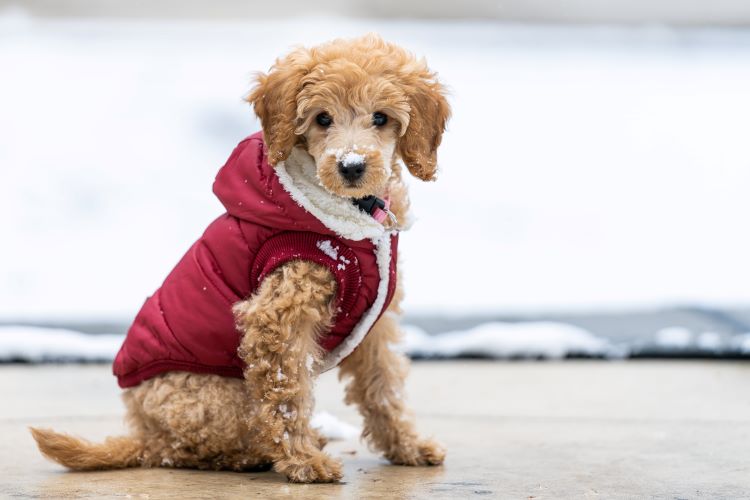
For canines, consider a dog coat or sweater that covers their back and underside. As for breeds with longer hair, allowing their coat to grow out can help keep them warmer this time of year. You may still want to consider a light coat or sweater for particularly cold outings. Be sure to remove any dog clothing once they are back indoors to prevent overheating, but make sure there are plenty of cozy, warm spots in your home for your pet to curl up in.
Cats are meanwhile best kept indoors throughout winter. Ensure they have plenty of blankets and warm nooks to snooze in, and consider setting up a heating pad if your home tends to be drafty or on the cold side. Compared to humans, cats tends to prefer warmer temperatures, between 86F and 100F.
2. Watch the weather
Winter weather alternates in severity depending on where you live, but even milder climates can still yield various pet dangers. Whether your winters are brisk and snowy or gray and rainy, it's a good idea to check the forecast every day and be prepared for changes.
Here are some quick tips for keeping pets safe in winter weather:
- Bring along a pet sweater on outings, even if the weather is mild.
- Don't go too far from home when bringing pets on walks — instead of walking far in one direction, doing laps around the neighborhood may make it easier to get back quickly if the weather changes suddenly.
- Know what time sunset is each day and schedule outings accordingly. Temperatures often plummet this time of year when the sun goes down.
- If you must walk dogs after dark, practice extra caution.
- Watch out for ice patches, sharp objects hidden under the snow, and any other potential hazards.
- Supervise pets outdoors at all times. Accidents can happen quickly, often in mere seconds.
- Limit outdoor exposure during extreme cold or storms. Just like humans, pets can also suffer from dangerous weather-caused conditions like hypothermia and frostbite.
4. Stick to a healthy winter diet
In the cold winter, your pet will burn more calories to keep warm. One of the crucial aspects of pet safety during winter is therefore managing their food intake. If your pet exercises outdoors a lot, think about increasing their food intake by a little bit. You should be able to feel, but not see, your pet’s ribs.
According to Petryk, a change in season can result in a dramatically different exercise schedule and therefore a corresponding change in the number of calories your pet needs to consume.
"It takes more energy in cold weather to keep your body temperature regulated," Petryk says. "So, sometimes additional calories are necessary. For example, if you spend more time outside with your dog walking in the cooler weather, your pet may need more food."
That said, winter is not an excuse to just let your pet load up on the snacks. Pets that usually spend long hours outdoors may engage in less physical activity in winter, burning fewer calories. Always consult with your pet's veterinarian about their activity levels and what food portions are most appropriate to maintain a healthy weight. It's also important to adhere to a regular feeding schedule and choose healthy pet food options to ward off winter weight gain.
3. Protect those paws
The cold snow and ice can quite literally be a pain in the paw. When you’re out on walks, keep an eye out for snow and encrusted ice that can cause cracked, bleeding paws. Salt and chemical de-icers can also cause damage and even be toxic if they are licked off. Always clean off your dog’s feet and do an inspection when they’re back indoors. If you spot any bleeding or signs of injury, call your veterinarian.
You'll also want to take some preventative measures before heading outdoors. Petroleum jelly is likewise a safe way to protect pet paws, as are dog boots.
5. Stay away from troublesome toxins
Yes, we just discussed keeping pet paws safe from salt and chemical de-icers. But these particularly winter pet hazards are worth a closer look. They're commonly used during the winter, but unfortunately these substances can be highly poisonous to pets. The good news is that antifreeze has come a long way over the years, and components have been added to modern versions to make its flavors less appealing to pets. However, that doesn't mean they are okay for consumption.
Petryk advises looking for pet-friendly de-icers and antifreeze if you need to use them, and keep your garage and vehicle as off-limits as possible to dogs and cats. You'll also want to store all winterizing chemicals high out of reach, in secure, lockable containers that can't be opened easily by prying paws.
If you suspect your pet has consumed antifreeze or any other chemicals, seek emergency veterinary attention immediately.
6. Don't leave pets in cars
Just like when it’s hot out, never leave dogs in your car when temperatures are cold. Your vehicle can act like a refrigerator and quickly plunge to dangerous, frigid chill levels. Even leaving cars running with the heat on can come with its own level of risk. It's also worth noting that, in many states and parts of Canada, it's actually illegal to leave pets in cars. Doing so can lead to fines or even jail time, depending on the events that ensue.
Not sure what your legal liability may be for pets left in cars in winter? Even if you happen to live in an area without such protective laws, it's just not worth waiting for disaster to strike. When in doubt, leave your pet at home if there’s a risk you’ll have to leave them unattended in the car.
7. Check under the hood
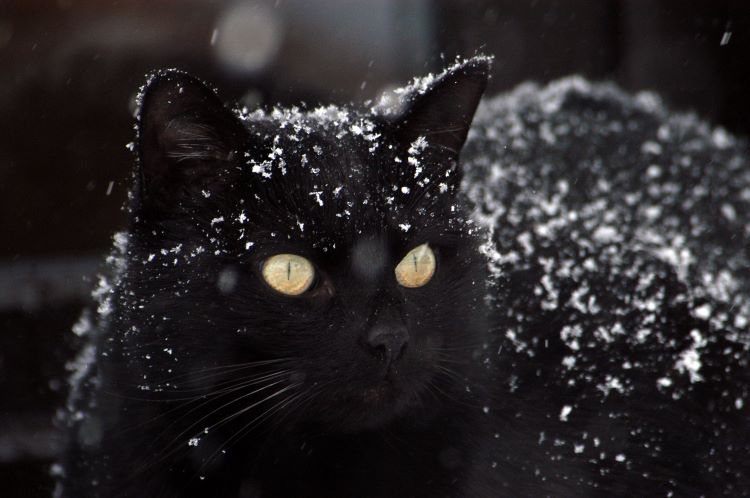
Have a cat who goes outdoors or live near neighbors who let their own cats out? In the cold winter, outdoor cats in the area may find the engine block under the warm hood of your car to be a great spot to snooze. Turning on your car before checking can lead to dangerous consequences. So, before you start your car in the morning, bang on your hood a little to wake up any sleeping cats. You'll also want to take a quick look under your car and around the wheel wells to make sure no pets are hiding in a place they could get hurt.
Note that even if you don't have an outdoor cat or aren't aware of ones in the area, it's a good idea to check for animals anyway. In addition to cats and other pets, there are a lot of wild animals known to seek refuge under people's cars in winter.
8. Prioritize fitness and exercise
Petryk says that exercise for pets during winter is just as important as any other time of year. And if anything, spending longer hours curled up inside in the warmth can mean a greater need for being active. In fact, now's a great time to reevaluate your pet's fitness level and start working on some new year's pet resolutions to get in better shape.
When it’s not too cold out for you, your dog can get some outdoor aerobic exercise that will help keep them healthy. Walking in wooded areas (not covered in snow) is a good way to protect against chilly wind gusts. However, if it’s too cold for exercise outside, consider indoor options. Winter is a great time to look into obedience classes and indoor training, like agility and flyball. Other indoor exercise includes tug-of-war, fetch, or a playdate with your furry friend.
9. Care for your pet's skin
According to Petryk, responsible winter safety for pets can also involve protecting their skin. Both dogs and cats can get dry, flaky skin in the winter just like humans do.
To combat this, consider using a humidifier, and be sure to provide plenty of drinking water in your home — your pet’s skin will thank you. Depending on what kinds of activities your pet regularly participates in, you may also be fine bathing your pet less frequently this time of year. However, it's wise to consult with their veterinarian first before changing up their hygiene maintenance routines.
Regardless of how often you're bathing your pet in winter, be sure to dry them off completely following baths. Never let damp pets run around outdoors this time of year. It's also important to keep up with other aspects of grooming — brushing your pet's coat stimulates blood circulation and can help improve the overall condition of their skin.
10. Protect with pet insurance
The truth is that you can't predict exactly when or where your pet may run into trouble, even with the best preparation against winter dangers for dogs and cats. This is why getting pet insurance is another great winter pet safety tip to follow — if you haven't protected your pet with a policy already, that is.
Another thing to keep in mind is that emergencies and accidents can still happen at any time, even when you're practicing winter safety. The best thing about pet health insurance coverage? It'll be useful beyond just the chilly months. Trupanion pet insurance is a year-round consideration that can protect your pet against just about all unexpected illnesses and accidents.
Not ready to get a quote just yet? Learn more about how pet insurance works.
Pet Parenting is the official dog and cat blog of Trupanion, a leader in the world of pet insurance. Here you’ll find useful dog and cat care tips, important veterinary insights, and an abundance of pet lifestyle topics. All of our articles are written by real humans with a love for pets, not AI. However, please note that the views expressed here are those of the individual authors and do not necessarily reflect those of Trupanion. Articles are reviewed by veterinarians for accuracy, but they are not a substitute for professional diagnosis and treatment. Always consult with your own pet’s veterinarian for advice.


